Ajax's Strategic Rebuild: Cruyff's Vision for the Future
Jordi Cruyff walked out of the transfer window with something rare in modern football: big names, low fees, and a clear conscience.
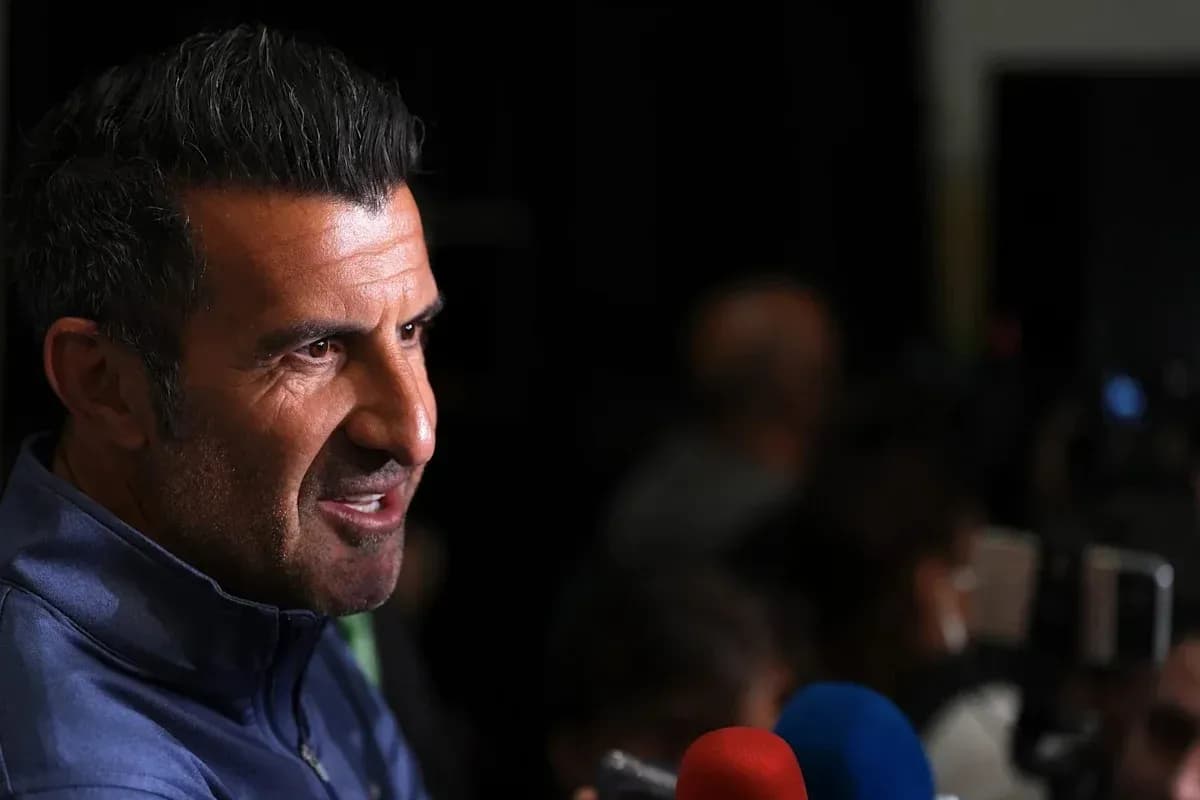
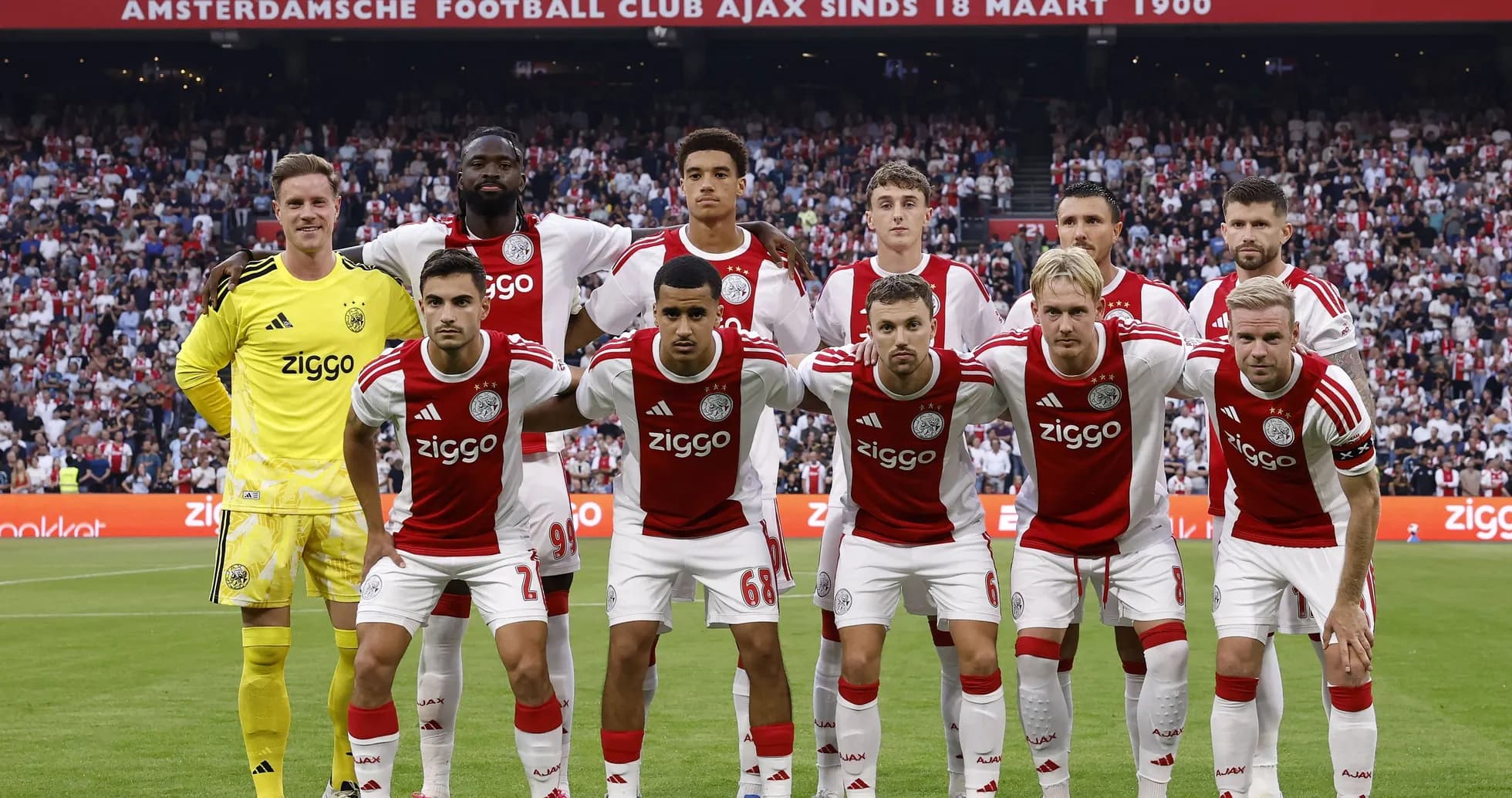
Ajax’s sporting director sat down with ESPN NL after a frantic summer in which the club, battered by recent seasons and stripped of its Champions League status, still managed to lure the likes of Marc-André ter Stegen, Sofyan Amrabat and Julian Brandt to Amsterdam. On paper, it looks like a statement of intent. In Cruyff’s eyes, it’s also a reminder.
Say the name “Ajax” and, he insists, the room still changes.
“When you mention the name Ajax, you can see from their eyes that they are very interested,” he said. “We have to get back to the top. Senior players want to compete and perform at their peak right now.”
That belief in the club’s enduring magnetism underpinned the entire window. Ajax, for once, did not try to outbid Europe’s superpowers. They tried to outthink them.
Brandt in the shadows
Nothing captured that approach better than the arrival of Julian Brandt. The German playmaker’s move was kept under such tight control that it barely registered on the rumour mill. No drawn-out saga, no daily updates. Just silence – and then a Friday night jolt.
The club announced Brandt out of nowhere, a stealth signing that Cruyff openly savoured.
“For once, we as a club showed that we determine when information comes out,” he said. It was a small victory in a market where agents and leaks usually dictate the rhythm.
Cruyff framed it as part of his broader philosophy: talk to players as people first, footballers second. Less data deck, more eye contact. Less systems chat, more about where they are in their careers and what they still want to win.
In Brandt’s case, the pitch worked. So did the timing.
“If you don’t shoot, you will never score. Sometimes you just have to try,” Cruyff added, borrowing one of Johan Cruyff’s most famous lines and applying it to boardroom risk instead of the penalty area.
Free agents, big reputations
That word – risk – has hung over Ajax’s summer like low cloud. Critics have circled the wage bill, questioned the wisdom of loading up on experienced internationals, and wondered if a club built on academy romance is drifting into something more opportunistic.
Cruyff pushed back hard.
“This is not risky at all,” he said. “The biggest risk is paying expensive transfer fees from club to club. Eight of eleven new players arrived for free or on loan.”
No transfer fees, but not exactly bargain-bin names. Ter Stegen, Amrabat and Brandt arrive with Champions League pedigree and international experience, the kind of profiles that rarely land in Amsterdam without a hefty cheque attached.
Cruyff’s argument is simple: if you don’t pay the fee, you can live with the salary. Free agents and loans, he believes, give Ajax room to manoeuvre. If a deal goes wrong, the club is not locked into a long-term amortisation nightmare. If it goes right, they’ve imported leadership and quality at a fraction of the usual cost.
He pointed out that sales revenue has comfortably outstripped spending, even with the club missing out on Champions League money. The balance sheet, he stressed, remains intact.
The reality of being a springboard
Not every departure could be controlled. Mika Godts’ move to Paris Saint-Germain cut against the romantic ideal of Ajax as a final destination for its brightest youngsters. Cruyff didn’t sugar-coat it.
The Eredivisie, he acknowledged, is a launchpad. Talents will jump when Europe’s elite come calling. Ajax have lived off that model for decades; they are not suddenly exempt from it.
The task, then, is to make sure that while the next Godts walks out, the next Brandt walks in – and that the team on the pitch never feels like a permanent work in progress.
De Topper as early verdict
That theory faces an immediate and unforgiving test. De Topper against PSV looms, and with it a first real look at how this “radically transformed” squad copes under pressure.
PSV arrive with what Ajax currently lack: continuity. Their structure is known, their patterns rehearsed, their hierarchy settled. Ajax, by contrast, are a team built at speed, their spine reshaped in a single summer.
Cruyff knows the comparison. He didn’t shy away from it, but he didn’t lower the bar either. Ajax, he insisted, must still chase every trophy on offer.
“We have taken a big step in the right direction,” he said. “Our job now is to prove it tangibly on the pitch.”
The names are in place. The balance sheet is under control. The aura, Cruyff believes, still works when he walks into a room and says “Ajax”.
Now comes the only test that matters to this club: whether that word still terrifies opponents once the whistle blows.